Cultivation & Empowerment: From Zaatar to Sustainable Futures
Building sustainable rural communities through environmental innovation, local empowerment, and responsible agriculture.
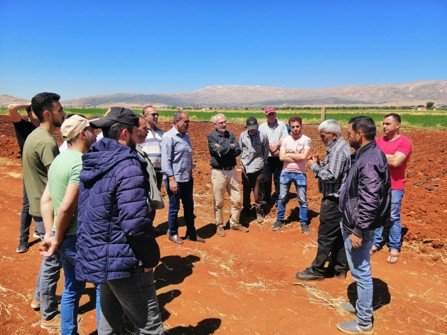
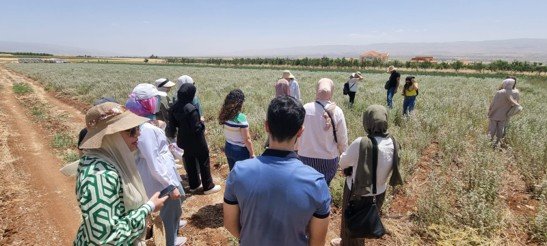
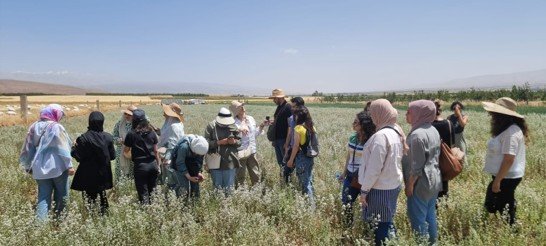
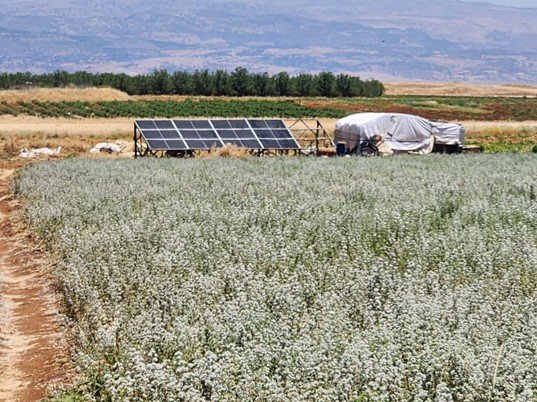
ESTIDAMA implemented the Productive Environmental Project to demonstrate how sustainable agriculture can create lasting environmental, social, and economic impact. Supported by the GEF Small Grants Programme / UNDP, the initiative focused on the cultivation and production of aromatic plants, transforming traditional farming practices into a sustainable model that combines renewable energy, resource efficiency, and community empowerment.
Through the introduction of solar-powered irrigation systems, efficient drip irrigation, and environmentally responsible cultivation techniques, the project reduced water consumption, minimized environmental impact, and strengthened local agricultural practices. Harvested za’atar was transformed into high-value products, including essential oils, aromatic water, and dried herbs, creating new income opportunities for rural communities.
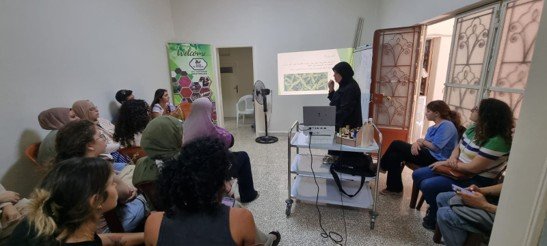
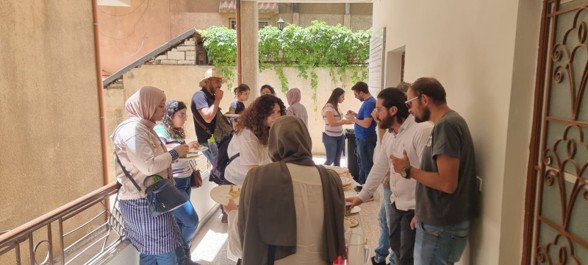
A central element of the project was empowering women and youth through practical training workshops in sustainable agriculture, irrigation management, and natural product processing. By connecting environmental protection with economic opportunity, the project supported biodiversity, strengthened community resilience, and promoted sustainable livelihoods.
The Productive Environmental Project represents a replicable approach for rural development, proving that agriculture, innovation, and community action can work together to create a more sustainable future.